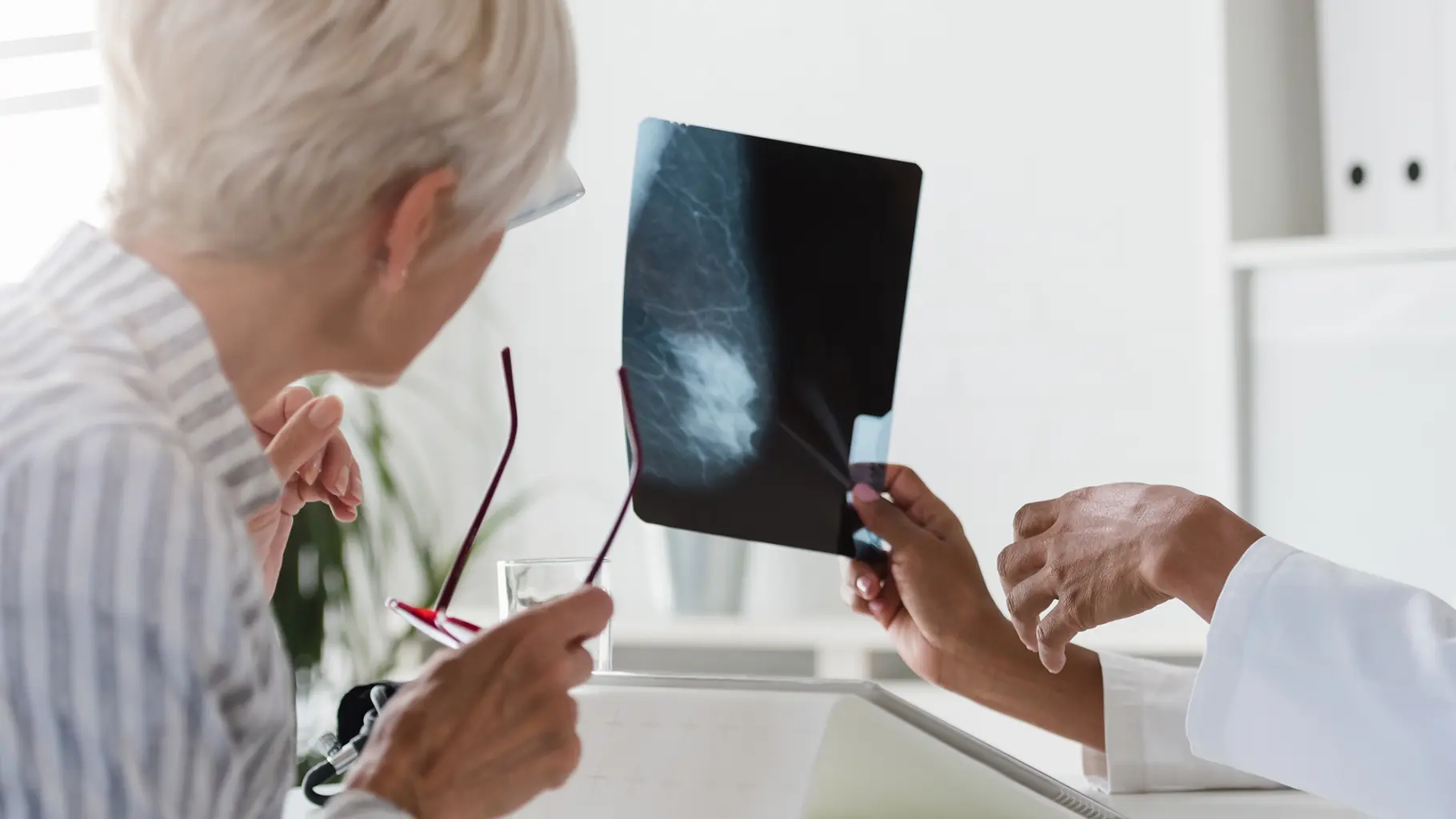
Breast cancer is the most common cancer in women in the U.S. About 13%—or 1 in 8 women—will develop it during their lifetime, according to the American Cancer Society. Some women have a higher risk, including those with genetic factors or a family history of breast cancer. Through advancements and early detection strategies, women are being diagnosed earlier, resulting in better outcomes.
Genetics and Family Medical History Play a Role
Breast cancer risk is influenced by several factors, including age, lifestyle, and certain environmental exposures. Family history and inherited gene changes can also raise a person’s risk. If your mother, sister, or daughter were diagnosed with breast cancer before the age of 50, for example, your risk is higher. The median age when breast cancer is diagnosed in women is 63. However, younger women—about one in 10—are younger than 45 when first diagnosed with breast cancer. Earlier screenings may be done if you are younger than the starting age of 40 for women in the U.S. or have a family history of breast cancer.
Dr. Paige Harwell will discuss your family medical history.
Breast Care & Genetics
When we talk about genetics and high-risk cases, we’re often looking at BRCA1 and BRCA2 genes. While everyone has these genes, some individuals inherit a mutation in one of these genes, which can increase breast cancer risk. Hereditary breast cancer accounts for about 5% of all documented cases.
Enhanced Screenings, Earlier Detection
If you’re at a higher risk for breast cancer, we may discuss with you additional screenings to be considered as part of your breast care plan, such as:
- Breast MRI: We often recommend this in addition to your annual mammogram, as it has the highest sensitivity for breast cancer detection.
- 3D Mammography: This 3D technology captures more detailed breast images, especially if you have dense breast tissue, which can often make it difficult to detect breast lumps that may be cancerous.
- Breast Ultrasound: This imaging may be used following a mammogram to determine if a lump may be a cyst filled with fluid or a solid tumor.
- Alternating Mammogram and MRI: This is often done to increase monitoring frequency.
- Genetic Counseling: Dr. Harwell may recommend genetic testing based on your family medical history to determine if you may be a carrier of the BRCA gene.
Options for Reducing Your Risks
If you’re at higher risk for developing breast cancer, there are steps you can take to help reduce your risk. We take an approach that considers factors beyond family medical history, including genetic risk factors and overall health. Dr. Harwell will walk you through the options that may be appropriate for you, including medications, lifestyle changes, and more frequent monitoring. For some individuals in the high-risk category, we may also discuss risk-reducing surgery. Together, you will make informed decisions about your care and choose a plan that feels right for you.
Breast Health Hub
-
Read More Oct 2026 -
Read More Aug 2026 Life After Breast Cancer
Survivorship
No results found.
Contact
Contact us today.
Call us
(402) 953-0313
Message us


